

How do we measure the health of the church? While the church is the body of Christ, this body is not like a human body. We cannot take its pulse or blood pressure. We can’t draw its blood and test it for signs of belonging, hope, or fellowship. Nor can we run a rapid test for apathy. Vitality of the church belongs to the mystical and like most things mystical, it is frustratingly difficult to pin down.
Of course there are the standard measures: the proverbial “butts in seats” on Sunday morning, Christian formation attendance, the number of pledge cards. I do not mean to disparage these measures. They are basically good, because they are relatively easy to measure.
However, there is something missing in these measures. When we use only these measures, we fail to account for diversity of experience in the church. Congregational vitality can differ across churches of varying age groups, cultural composition, and geographic location. It is also not confined to the walls of the church. In high school, the local park sometimes seemed a place of fellowship almost as important as the sanctuary. As the “Big Tent” grows ever wider, expressions of fellowship become increasingly multi-faceted, and it becomes more of a struggle to define congregational vitality in any coherent way. And yet, it is necessary to measure vitality of the Church to allocate resources.
Resolution A132 creates a “task force to study indicators of 21st century congregational vitality.” Members of the task force ideally are supposed to encapsulate the “full geographic and economic diversity of the Episcopal Church.”
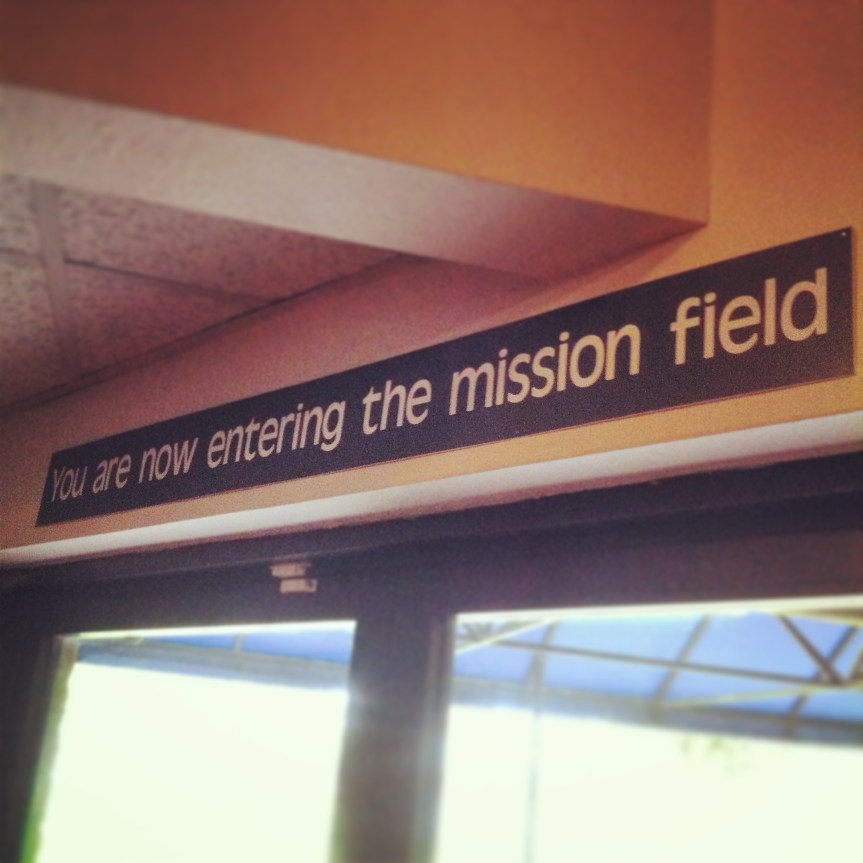
Talk on the House Deputy floor focused on how this task force could reshape our view of congregational vitality. Instead of only looking inward to the pews, the deputies suggested that this task force should also take a look outwards towards the communities in which they reside. Deputy Rivera, a church planter and priest in a missionary community asks the question, “Aren’t all churches called to be missionary churches?” While I delight at boisterous congregational singing or a bustling coffee hour after church, the church cannot truly be said to be vital if it is not out in the world creating the kingdom of God: “feet on the street, hands dirty in the soil” (Rivera).
Of course, internal and external congregational vitality are not mutually exclusive but conducive to one another. After all, it is often, though not always, the people in the pews who go out into the street. As Deputy McCall noted, part of congregational vitality is cultivating the gifts given to members of our congregation by God. Community service is often the conduit through which members can realize those gifts. Conversely, churches isolated from the support of their community tend to wither on the vine. No matter how you slice it, community engagement is not just good for but essential to congregational vitality.
Ultimately, this task force is given the difficult and important work of defining what can often seem undefinable. On the level of the parish, measures of vitality are often what dictate parish priorities. It is through honest discussion between clergy and lay members of the church that we can define those priorities. This task force does not dismiss old measures of vitality, but as the congregational life becomes more diverse and we encounter new forms of fellowship, we are also injected with new energy to fulfill our mission of loving our neighbors inside of and outside of the church walls.
 The Episcopal Herald